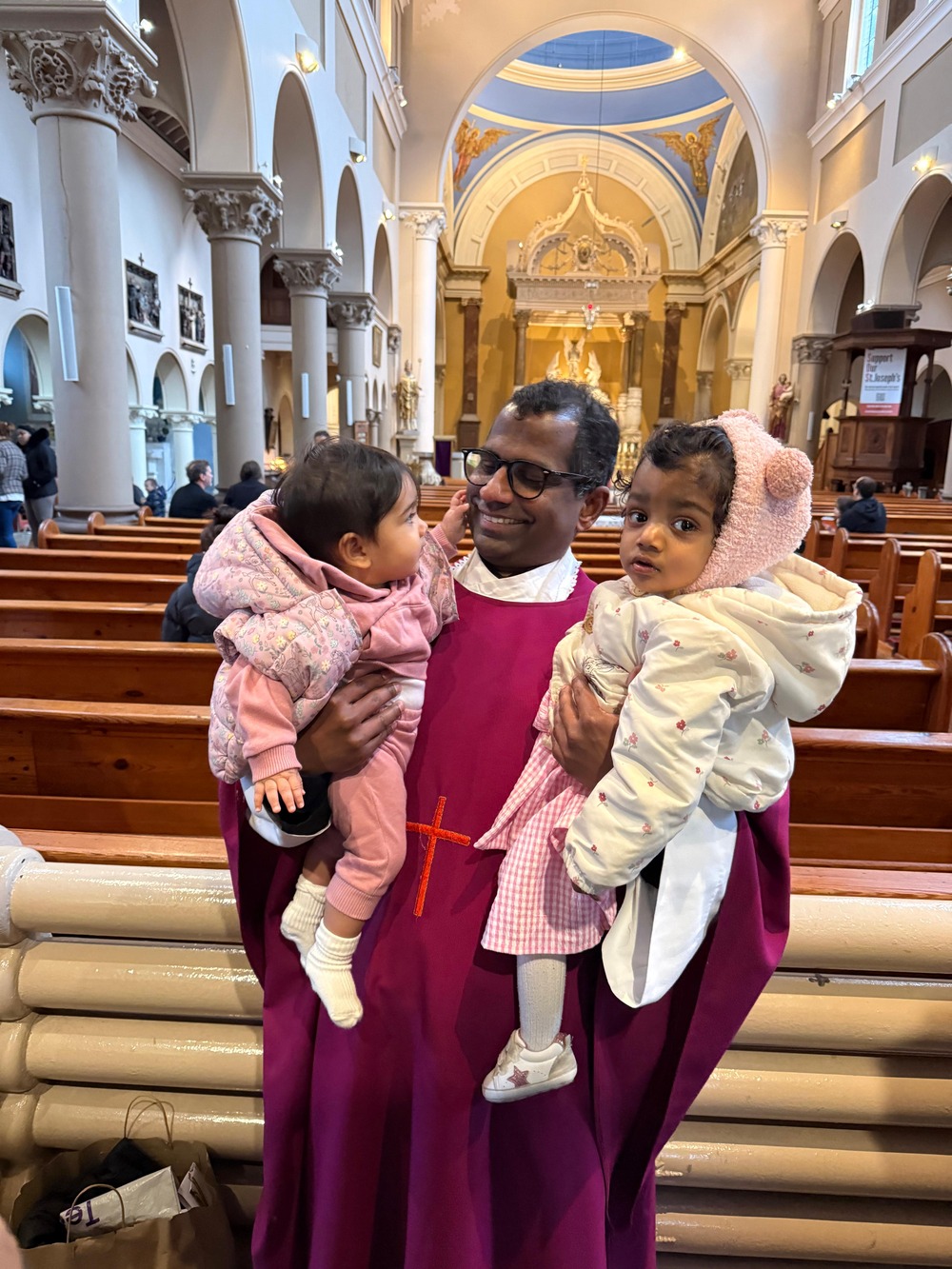
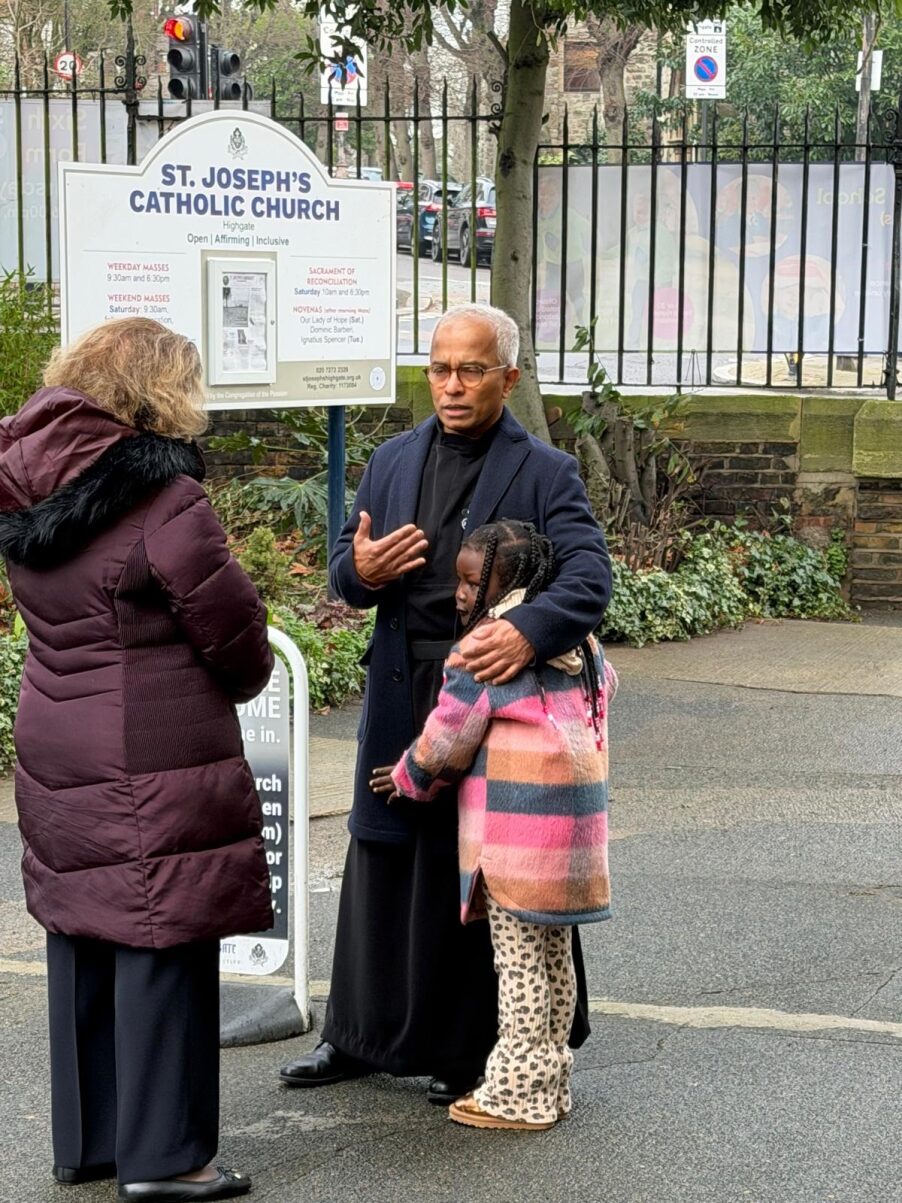
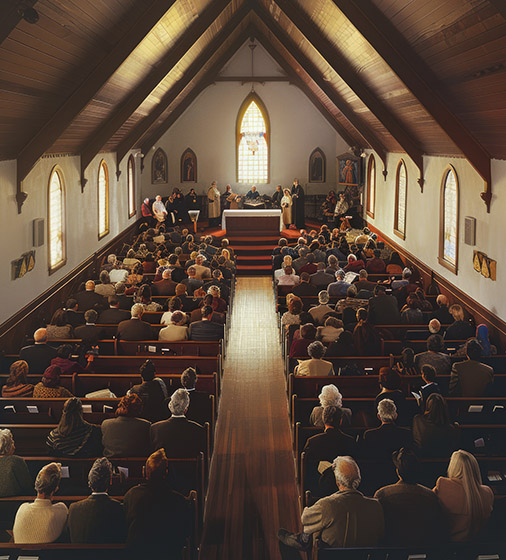
Whether you come from across the street, around the corner, from another country, whether you are a parishioner or visitor, we extend a warm welcome! We are blessed that you have chosen to worship with us. We encourage you to complete a parish registration form as this will ensure that you receive current news and information and will help if any sacraments are needed. Register online at the link or contact us for a hard copy form. If you have any questions or concerns, please do not hesitate to contact us!
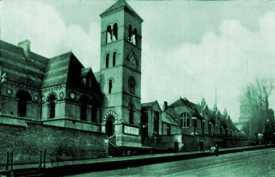
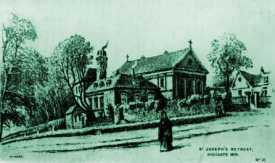
It was into this hostile climate that Father Ignatius Spencer, a convert to Catholicism and member of the Passionist Order, sought a London home for the Congregation. When he found the Old Black Dog Inn on Highgate Hill, the priests had to visit in disguise to avoid recognition. The property was eventually secured at auction, though the community had no funds to speak of. Father Ignatius turned to his nephew, the fifth Earl Spencer, who restored a family annuity of £300 per annum — previously withheld after Father Ignatius's conversion.
A chapel was established on the ground floor of the inn, and by 1861 a purpose-built church was erected. But the growing Catholic community soon outgrew it. Construction of the present church, designed by architect Albert Vicars in a striking blend of Romanesque and Byzantine styles, commenced on 24 May 1888, overseen by Brother Alphonsus Zeegers, who worked in his religious habit and stonemason's apron. The church was blessed by the Bishop of Liverpool on 21 November 1889, built to commemorate the Jubilee of Pope Leo XIII. Its magnificent green copper dome, estimated to weigh 2,000 tons, became a landmark visible across London.
Yet this triumph came with a heavy burden of debt, which would take the community forty-three years to clear. On 28 April 1932, St Joseph's was finally consecrated — a testament to the faith and perseverance of its people.
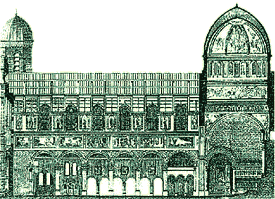
Designed by architect Albert Vicars and opened in 1889, St Joseph's is a harmonious blending of the Romanesque and Byzantine styles, described by English Heritage as outstanding. The church stretches 146 feet in length and over 55 feet in width, its Italian interior offering a sense of serene spaciousness that rewards every visit. The most striking feature is the great copper dome, crowned with its distinctive patina of green. Estimated to weigh, with its supporting brickwork, some 2,000 tons, the dome rises 130 feet above the level of the cross of St Paul's Cathedral. It can be seen from Hampstead Heath, from a train returning to King's Cross, and from vantage points far across London — a lasting landmark on the Highgate skyline.
Inside, the sanctuary is graced by a magnificent baldachino, or canopy, over the high altar, crafted from Sicilian marble. The surrounds and dome of the tabernacle are an exact copy, in marble, of the original wooden surrounds from the earlier church of 1861 — a beautiful link between old and new. The mosaic pavement beneath is made from stone taken from the bed of the River Severn, reputed to be more durable and more costly than marble.
St Joseph's also possesses a fine four-manual organ built by William Hill and Sons in 1898. Installed around 1947 as a memorial to parishioners who lost their lives in the Second World War, it has been awarded a Grade I Certificate by the British Institute of Organ Studies, recognised as "a rare example of an instrument by Hill and Son, in original condition
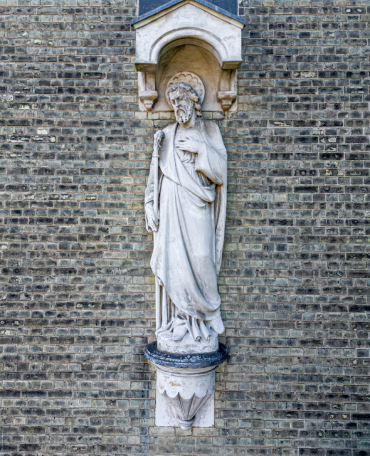
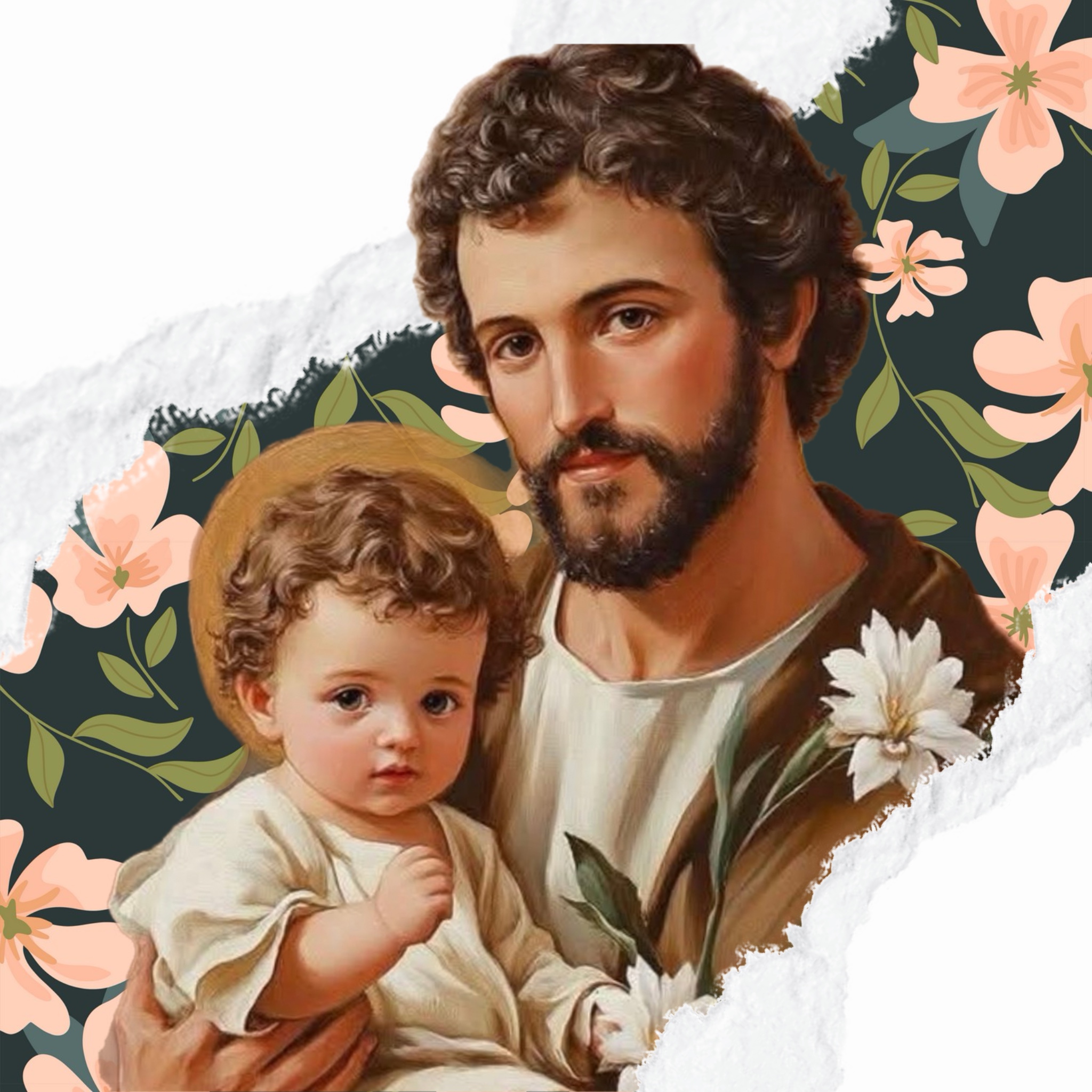
St Joseph, the humble carpenter of Nazareth, was chosen by God to be the husband of the Blessed Virgin Mary and the foster father of Jesus Christ. A man of quiet faith and unwavering obedience, he protected the most vulnerable — sheltering Mary from disgrace, fleeing with her and the infant Jesus into Egypt when Herod sought to destroy the child, and providing for the Holy Family through the labour of his hands. When Father Ignatius Spencer founded our parish in 1858, it was fitting that it be placed under the patronage of St Joseph — the guardian of the Church, the protector of workers, and the model of faithful service. His example of humble devotion mirrors the Passionist spirit of love through sacrifice.
At St Joseph's Highgate, we celebrate two feast days in his honour: the Solemnity of St Joseph, Husband of Mary, on 19 March, and the Feast of St Joseph the Worker on 1 May. Our May celebration has become a cherished parish tradition, marked by our International Lunch — a joyful gathering where parishioners share dishes from their diverse cultures, reflecting the universal family that St Joseph continues to watch over.
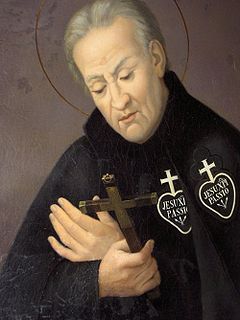
Founder of the Passionists
St Paul of the Cross (1694–1775), born Paul Danei in northern Italy, founded the Congregation of the Passion in 1720 to “preach the crucified Christ to all people”. Deeply devoted to prayer and the Passion, he called his brothers to a life of contemplative zeal, poverty, and compassionate preaching. From his charism grew the Passionist family that would one day take root in Highgate. At St Joseph’s, his vision continues to shape our mission: to keep alive the loving memory of Christ’s Passion and to stand with all who suffer, in the heart of London.
Passionist
Passionist
C. P
C. P.(Asst.)